What is Storm water?
stormwater is any type of precipitation that runs off a surface such as roofs, sidewalks, parking lots or roads into which it cannot seep. Cities continue to expand, with more roads, parking lots, and buildings being constructed.
As a result, managing precipitation run-off becomes more important and challenging. Therefore, water cannot stay on the surface without causing damage. It can weaken buildings and other constructed surfaces. As a result, systems have been developed and engineered to manage storm water as it rains and snows. ROV inspection could provide a solution for stormwater systems.
What is a Storm Water System
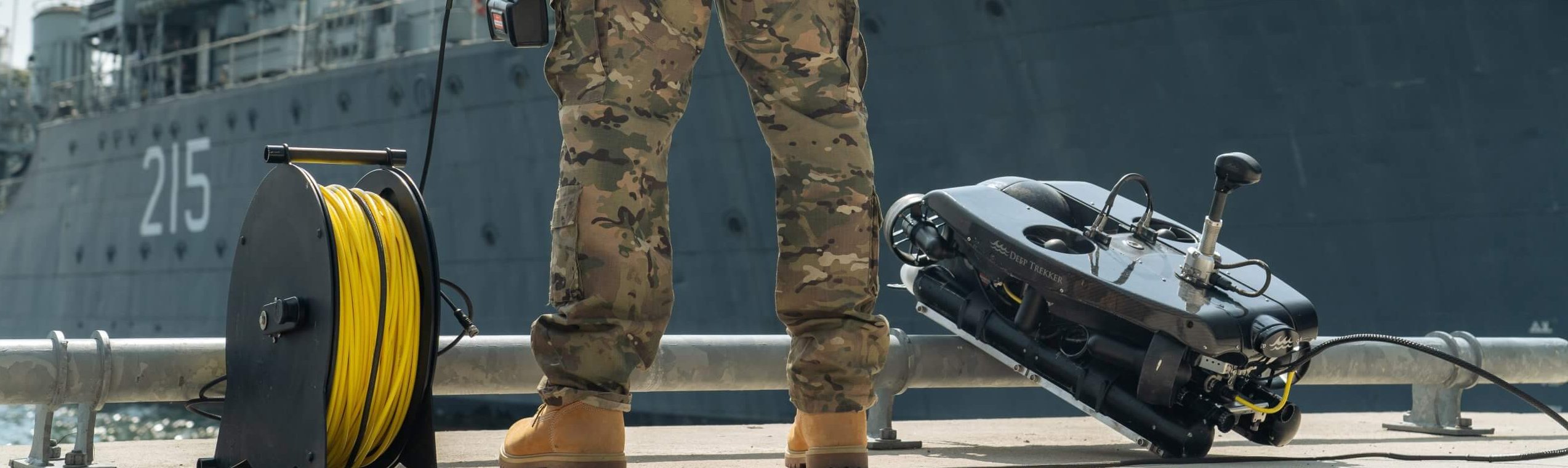
Storm water runoff management is an intricate system that many of us take for granted on a daily basis. As a result, these systems move rainfall and collected water to basins and away from homes. In addition, mini ROVs like the Deep Trekker Revolution are often used to inspect them. ROV inspection of stormwater systems helps ensure these networks remain functional, efficient, and free from blockages. This approach also supports regular monitoring and maintenance of these systems. Stormwater systems can be inspected using ROV inspection to identify potential issues before they become serious problems.
For a brief moment, let’s look at the basics of the water cycle:

As you may notice in this diagram, this is a completely natural environment. Regular surface runoff cannot occur once buildings, roads and other impermeable surfaces are constructed. As a result, this disrupts the water cycle and causes a variety of issues. The solution is to transfer the water in a similar pattern mechanically.
Here is a diagram of a storm water system:

An important note to make from this is that the storm water and sewer lines are separate. Stormwater falls as precipitation and flows over buildings and roads into manholes. After that, it travels through pipe networks to storage basins and ponds. However, these man-made lakes are not natural recreation areas. Wildlife may live nearby, but the water is often contaminated. It can contain oil, pesticides, and heavy metals, especially near industrial areas. This water is not treated or used for drinking purposes generally because of these contaminants.
Why Manage Stormwater
It is crucial to manage stormwater for several key reasons. For example, from the health of local waters and aquatic life to flood risk mitigation, the correct management of stormwater is imperative.
Maintain the Hydrologic Cycle
Improperly managed stormwater can reduce moisture replenishment in the soil and minimize groundwater recharge. Soil moisture is essential for vegetation, while loss of groundwater recharge can severely reduce stream baseflow – water necessary for aquatic life. Stormwater must be managed correctly. As a result, the hydrologic cycle can be maintained to support healthy plant and aquatic life.
Prevent Flooding
Without adequate stormwater maintenance, the risk of flooding, especially in urban areas, is greatly increased. Concrete cannot absorb water and covers large parts of cities. Therefore, excess rainwater must be managed to prevent flooding and damage.
Prevent Stream Erosion
Erosion is a normal part of stream behaviour. However, excess stormwater can greatly increase erosion during storms. This extra water increases both the volume and rate at which water – and the sediment in the water – is delivered to streams. As a result, this extra water can increase erosion on stream banks and beds, damaging the natural form of these streams. The degradation of these streams can lead to a massive decline in plant and animal diversity. Proper stormwater management can effectively mitigate these risks.
Storm Water Management
There are many measures besides drainage systems to protect drinking water. This is especially important near cities and roads close to reservoirs. For example, here are some additional features throughout our cities that you may not realize are for storm water management:
Minimizing Directly Connected Impervious Areas
City planners will try to include a grassed area between a road and a water source. Grass lawns or other permeable, biological surfaces naturally filter some of the contaminants through the soil before the water finds its way into the aquifer.
Concrete Grid pavement
Voids in pavement allows the storm water to percolate through to permeable materials and then be filtered naturally.
Grassed Swales
Shallow, vegetated ditches directly beside roads that reduce the speed and volume of the runoff. However, filtering can occur but the swales must shallow enough that they do not collect water to a point of being a small basin themselves.
Buffer Strips
Combinations of trees, shrubs and grasses planted along a stream. These strips should consistent of three zones: four to five rows of trees, then two rows of shrubs and finally 20 to 24 feet of wide grass. This reduces the velocity of the runoff and removes a good portion of solids before mixing with drinking water.
Filter Strips
Gently sloping vegetated areas surrounding a surface body of water. These hold the soil in place and act as a filter before storm water reaches the body of water.
Storm Water Ponds or Wetlands
Permanent ponds where solids settle between storms are created to collect the water. Storm water drainage efforts in surrounding areas are directed to the pond. These ponds often are used as visual features in communities or parks. Therefore, the damage to the environment is minimal if managed properly and if the sediment is removed every seven to ten years.
Infiltration Practices
Narrow, stone-filled excavated trenches. These trenches are deeper than grassed swales and store runoff between stones. The water slowly infiltrates into the soil. This method is often combined with pre-treatment practices such as a swale. As a result, it can filter up to 98% of contaminants.
Swirl-type Concentrators
Underground vaults that are designed to create circular motion, creating sedimentation and oil and grease removal. The currents rapidly separate out settleable grit and floatable matter. Therefore, the cumulative effects of runoff being left unchecked can be dangerous. Inspection of each part of the storm water management system is key to maintaining the water cycle balance over the long term. ROV inspection helps stormwater systems be inspected safely and effectively. Deep Trekker ROVs are used to inspect these networks. If do you have a system that’s overdue for an inspection, contact us to hear how we can help you.
Deep Trekker Vehicles
Deep Trekker builds robust underwater inspection systems, including pipe crawlers and remotely operated vehicles (ROVs). These systems are designed to be portable and easy to deploy in different environments. As a result, no additional equipment such as generators or service trucks is typically required. As a result, this reduces operational costs and makes inspections in remote areas more accessible.
Revolution for Stormwater Systems
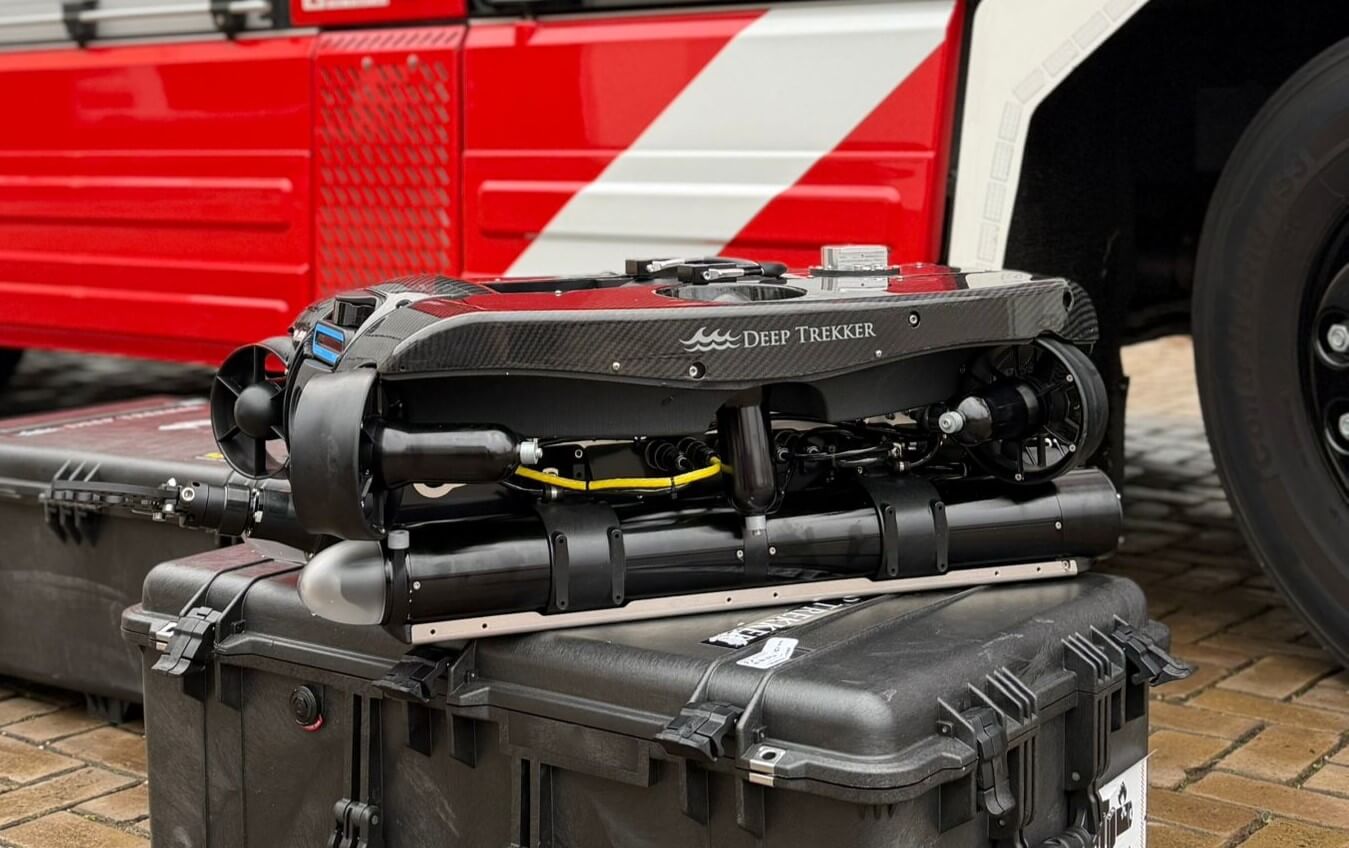
The Deep Trekker Revolution ROV is a reliable tool for inspecting stormwater systems. It is designed to operate in complex and confined environments. The system uses a patented pitching system for precise movement. As a result, the ROV can move up, down, and side to side with ease. Operators control it using a game-style controller with a bright display. This makes inspections simple and efficient for operators in the field.
Revolution Applications
The Revolution is well suited for inspecting pipes, basins, and stormwater networks. For example, operators use it to detect blockages, damage, and sediment buildup. It helps identify issues early before they become serious problems.
In addition, the compact design allows the ROV to access tight and difficult spaces. The rotating camera provides clear and detailed visuals during inspections. Therefore, operators can inspect systems thoroughly and with confidence. The system performs well in dark and murky water conditions. This is important because stormwater systems often have limited visibility.
Operators lower the ROV into the system using a tether. They monitor the live footage on the controller screen in real time. If needed, inspections can be recorded for further analysis. As a result, inspections become safer, faster, and more cost-effective. The Revolution helps improve maintenance and supports long-term system performance.
Why Inspect Stormwater Systems
Like any structural system, infrastructure requires regular monitoring and maintenance. Regular inspections to ensure the condition of the pipes, drains, basins and other structures are imperative for safe storm water management. Submersible remotely operated vehicles (ROVs) are an effective, easy and cost-saving option for infrastructure inspection.
Deep Trekker’s underwater ROVs provide a safe and cost-effective alternative to hiring divers, while pipe crawlers allow operators to explore pipes that are inaccessible to humans. The battery powered robots do not require topside power, making them easily portable and easy to deploy. Powerful cameras provide operators with a complete view of the area they are inspecting while also allowing for inspections to be recorded or photographed for further review. Add ons for the underwater ROVs and the pipe crawlers give operators advanced options such as laser scalers, Cygnus thickness gauges, and elevating arms.
Municipalities and contractors can be confident that they are providing the best possible storm water management system with regular inspections of key structures. Inspectors must regularly check inflows, outflows, pipes, and basins. This ensures they operate correctly and prevents problems. Frequent inspections are key, as deficiencies can often multiply and compound as time goes by. Regular ROV inspection in stormwater systems helps prevent costly damage and ensures long-term performance. By conducting consistent inspections, imperfections can be addressed before they become a costly issue.
Learn more about how Deep Trekker ROVs are used in municipalities or reach out to an industry expert today.