It is important for ship owners and operators to regularly inspect their vessels’ hulls. From paint coatings to checks for contraband, monitoring the condition of a ship’s hull is essential for maintaining structural integrity and minimizing damage and costs caused by wear and tear over time.
In this blog, we explore why hull coating inspections are so important. Marine coatings are unique because they must be specifically designed to withstand a wide range of water temperatures, currents, ocean environments, and marine growth.

Biofouling is the accumulation of organisms, plants, algae, or animals on a wet surface, such as a ship’s hull. Over time, these fouling organisms build up and can negatively impact vessel performance. Even more concerning, a fouled hull can transport non-native species from one location to another.
To combat invasive and harmful species, antifouling paint was developed to coat ship hulls as they travel between countries transporting goods, materials, and food. Antifouling paint is a specialized coating applied as the outermost layer of a vessel’s hull to reduce the accumulation of marine growth and, in some cases, also provide corrosion protection. While antifouling coatings help reduce biofouling, their ingredients can also raise certain environmental concerns.
Regardless of one’s view on the benefits and ecological implications of antifouling coatings, the external surfaces of a hull—with or without antifouling protection—must be inspected regularly to ensure they remain in good condition and free from marine growth. Over time, painted surfaces will deteriorate and require reapplication.
Monitoring the condition of hull coatings can be a complex and costly task. Traditional hull inspection methods include hiring a dive team or dry-docking the vessel (completely removing it from the water). Both methods are relatively expensive, which can result in inspections being carried out less frequently. This is concerning because not only can vessel performance suffer, but the hull can also become a means of transporting invasive species into new waters.

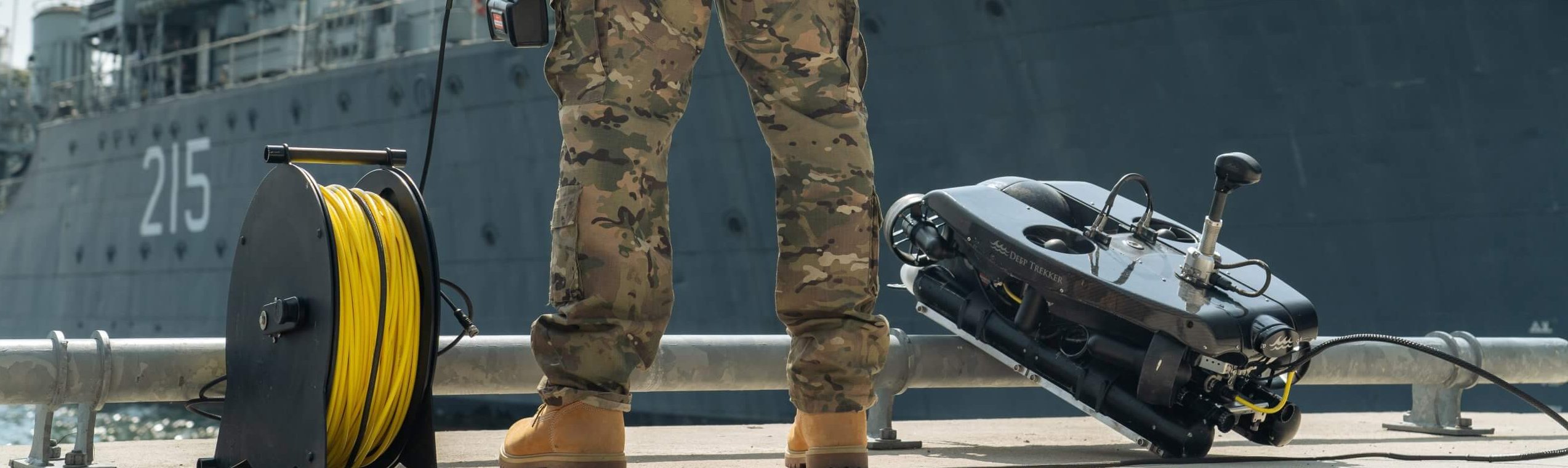
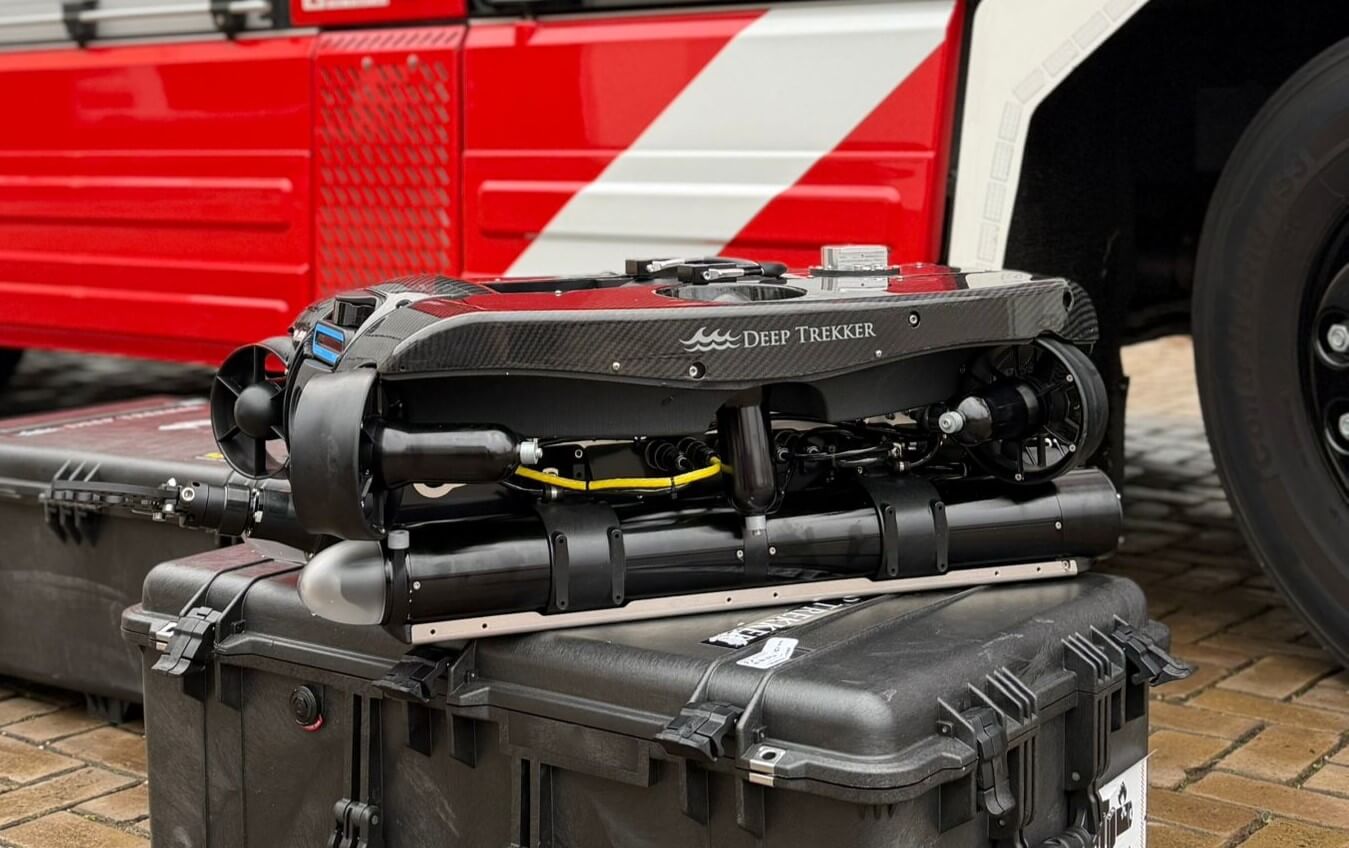
An underwater drone from Deep Trekker, such as the DTG3 ROV, enables ship owners and operators to monitor and assess the condition of their hulls on a daily basis, combat the buildup of marine organisms, and reduce operational costs at the same time. In situations where antifouling coatings are not used (which may become the norm for all vessels in the future due to environmental regulations), the importance of regular inspections will only increase.
Deep Trekker ROVs are built to last. These rugged systems are fully portable and can be deployed within minutes. Their ease of use means that virtually any crew member can operate the underwater drone. To learn more about how Deep Trekker ROVs are the perfect tool for monitoring your vessel’s hull, please contact us at info@h2o-drones.com.