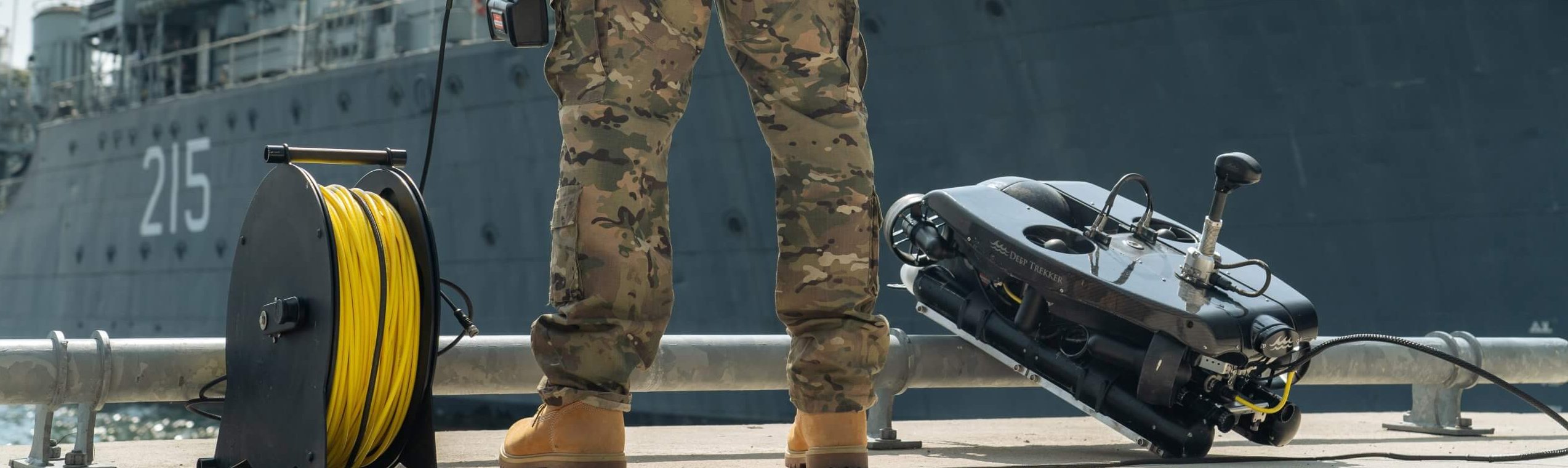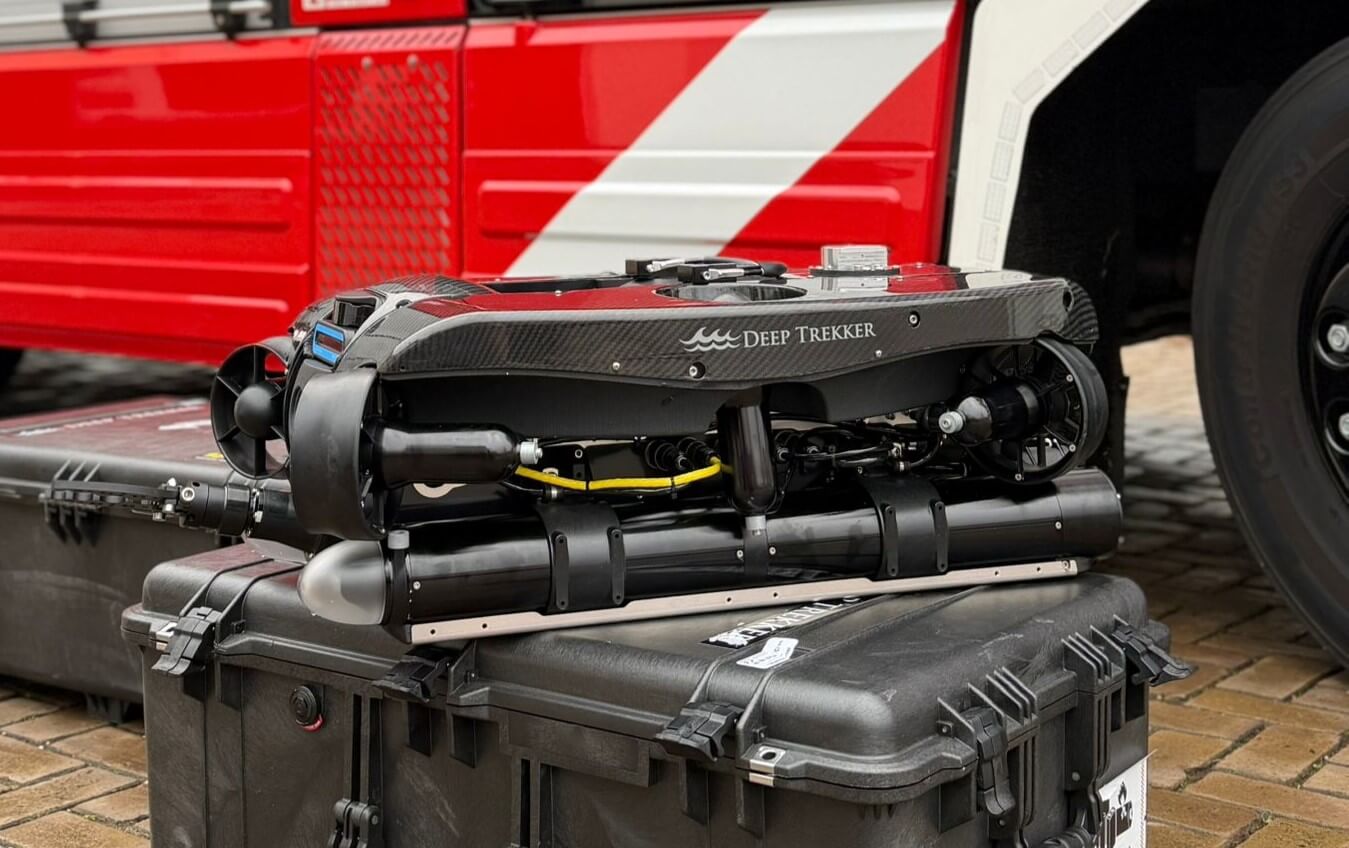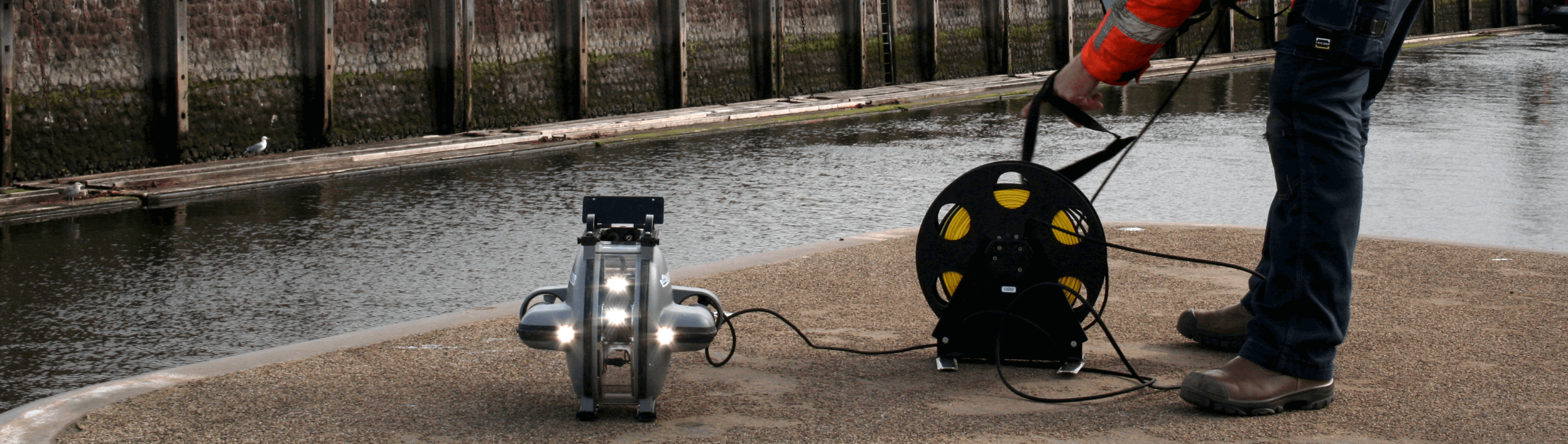
The Netherlands has thousands of hydraulic engineering structures such as locks, weirs, bridges, quay walls, and culverts. Much of this critical infrastructure is aging, while the pressure from climate change, shipping, and traffic continues to increase. Preventing lengthy maintenance periods is better than dealing with failures after they occur. Underwater drones provide the solution.
H2O Drones specializes in the inspection, monitoring, and management of underwater infrastructure. Using underwater drones, sonar, measurement equipment, and asset management expertise, we assess the technical condition of locks, weirs, bridges, quay walls, and culverts. The collected data forms the basis for maintenance decisions, risk management, and life extension of critical infrastructure.
Where inspections were once carried out almost exclusively by commercial divers, ROVs now make it possible to collect data faster, safer, and more comprehensively, even in environments with limited visibility.
How does H2O Drones perform underwater inspections?
Our inspections combine visual and acoustic techniques. Using 4K low-light cameras, we document defects such as corrosion, coating failures, concrete deterioration, and biological growth. Because visibility in Dutch waters is often limited, we also deploy imaging sonar. This technology makes structures visible using sound waves, enabling inspections even in turbid water conditions.
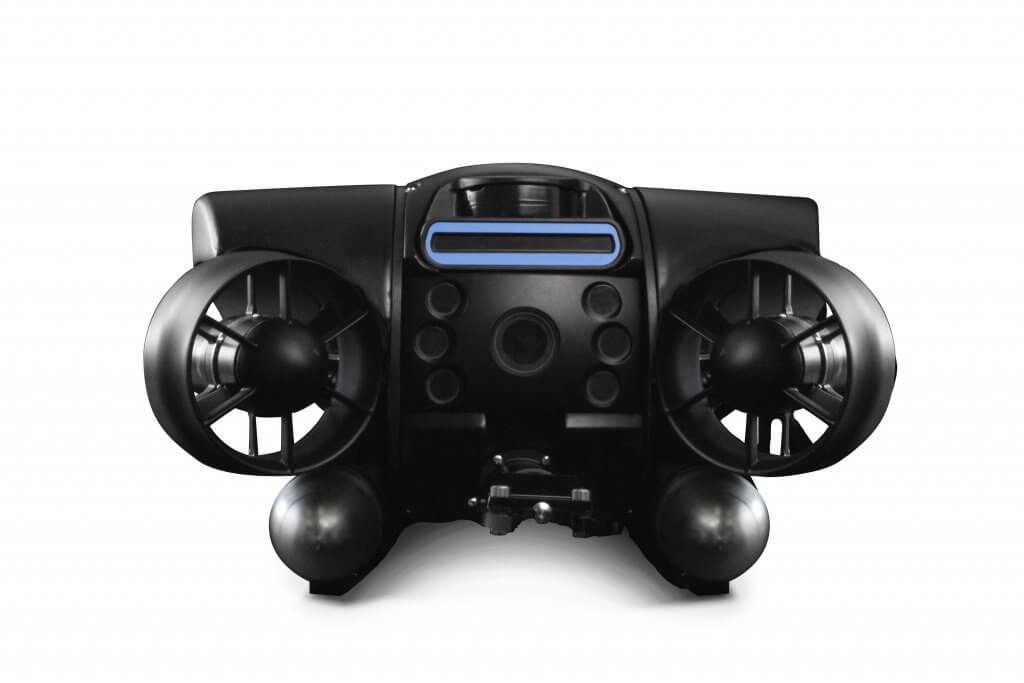
The collected data is recorded in accordance with relevant standards, such as NEN 2767 and, where applicable, NEN 13508-2. This results in reliable inspection information that can be directly used for asset management, maintenance planning, and risk management.
Applications
Culvert Inspections: Culverts are among the most difficult infrastructure components to access. Using ROVs and specialized crawlers, we inspect both wet and dry pipelines for issues such as cracking, concrete deterioration, blockages, sedimentation, root intrusion, and stability problems. Even in completely turbid conditions, sonar delivers reliable inspection results. In addition, we use sonar to measure sediment thickness in culverts. Cleaning a culvert before inspection is therefore unnecessary. On the contrary, sediment thickness and bottom profiles often allow us to identify defects such as leaks or settlement.
Quay Wall Inspections: During quay wall inspections, we investigate not only the structure itself but also the surrounding seabed or riverbed. This enables the early detection of corrosion, deformation, damage, and potential scour holes or erosion pits before they develop into major structural issues.
Bridge Inspections: For bridge inspections, we assess foundations, piers, and protective structures for scour, damage, corrosion, and impact-related defects. Thanks to the combination of cameras and sonar, inspections can be carried out without extensive traffic measures or prolonged closures.
Seabed and Sediment Surveys: Using sonar and bathymetric survey techniques, we perform accurate seabed surveys and sediment measurements. These data help asset owners plan maintenance activities, dredging operations, and the monitoring of changes around structures.
Depending on the project’s requirements, inspection data can be processed into 3D models or digital asset records. This allows structures to be assessed more accurately and changes over time to be visualized and monitored.
More Than Inspection
At H2O Drones, an inspection does not end with collecting images and measurement data. Through our Asset Management as a Service (AMaaS) approach, we translate inspection results directly into actionable asset management information. This provides asset owners and managers not only with insight into the current condition of an asset but also into associated risks, maintenance requirements, and potential follow-up actions.
We support asset owners and managers in inspecting underwater infrastructure. By combining ROVs, imaging sonar, inspection expertise, and asset management knowledge, we deliver reliable data that can be directly applied to the safe, predictable, and cost-effective management of critical infrastructure.
Who Are We?
What sets H2O Drones apart is the unique combination of technology, practical experience, and hydraulic engineering expertise.
With more than one hundred years of combined hydraulic engineering knowledge, H2O Drones was the first company in the Netherlands to perform large-scale underwater inspections using underwater drones. We were also pioneers in integrating ROV technology and commercial diving operations into a single inspection approach.
Our ROV operators are often active or former commercial divers themselves. As a result, they understand not only how to perform an inspection technically, but also where critical defects, degradation mechanisms, and risks are most likely to occur in practice. This leads to more efficient inspections and higher-quality data. Drawing on this practical expertise, we continuously develop new inspection methods, sensors, and innovations that directly address real-world field challenges.
Through projects across the Netherlands and long-term collaborations with government authorities, water boards, contractors, and Rijkswaterstaat, H2O Drones provides a complete solution for underwater inspection, monitoring, asset management, and remediation. This combination of experience, innovation, and operational expertise has established H2O Drones as the market leader in underwater inspections of critical infrastructure.