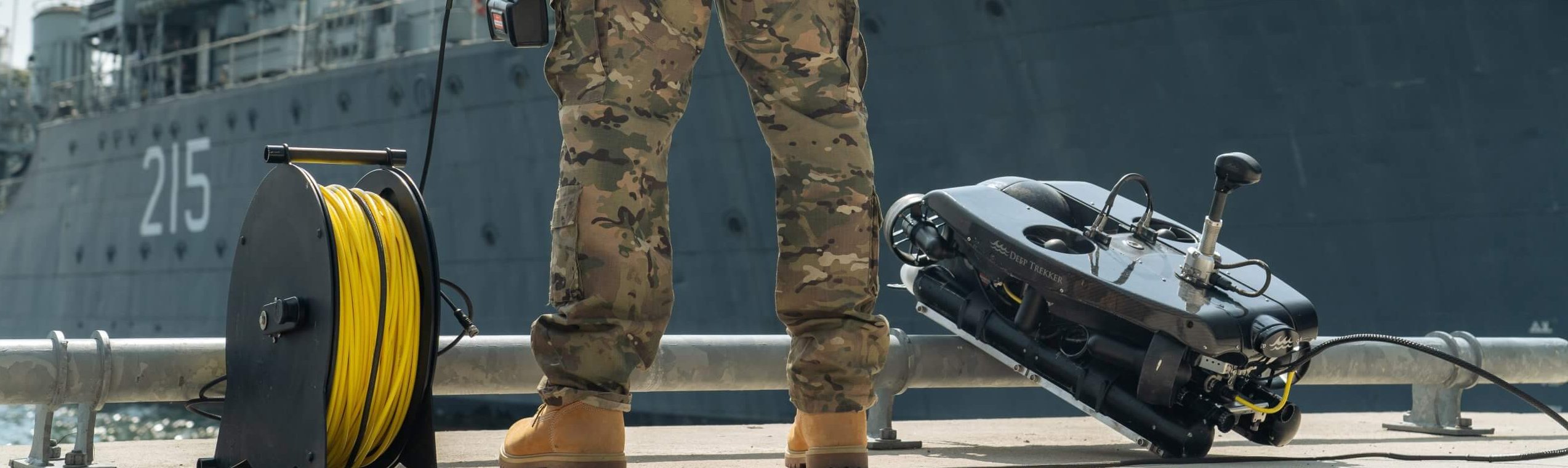
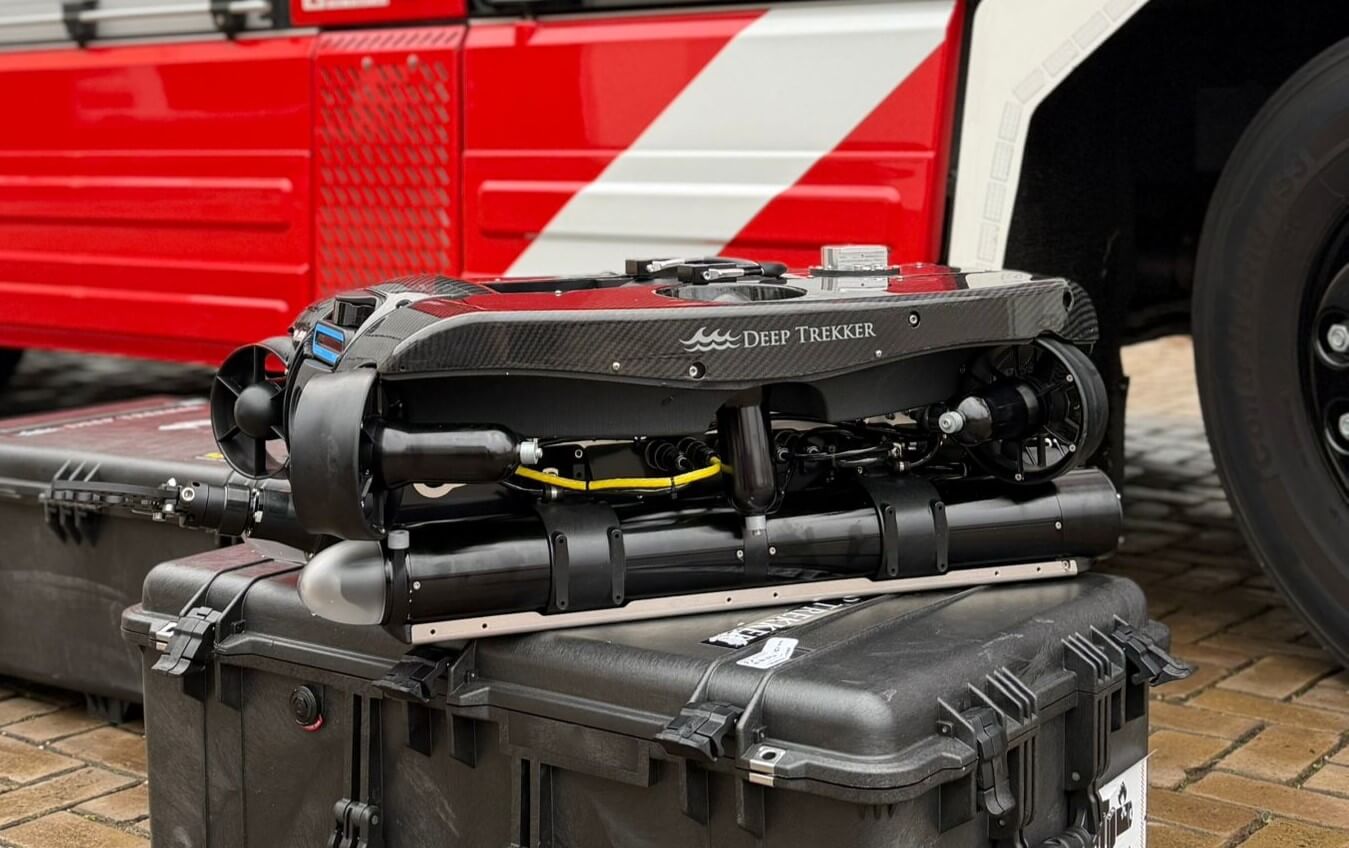
We usually post blogs and updates about our inspections of critical infrastructure, offshore facilities or, for example, ports. However, there are sites we don’t talk about much, even though we do inspect them. These include power stations, such as nuclear power stations. The reason you don’t see much about them on our site is that the interiors and infrastructure of these sites are off-limits to the public for safety reasons. That’s understandable, of course. That’s why, in this blog, we’re discussing the role of underwater drones in inspecting nuclear power stations.
Water plays a key role in various parts of a nuclear power station. Storage pools, reactor pits and cooling water systems must be kept in good condition at all times to ensure safe operation. Regular inspections make it possible to identify anomalies at an early stage and to plan maintenance work in a targeted manner.
As well as assessing the general condition of structures, inspections provide valuable information on potential wear, corrosion or other forms of degradation. This information forms the basis for informed maintenance decisions and helps to prevent unexpected downtime.
Inspecting underwater structures within a nuclear environment often requires extensive preparation. In some situations, specialist diving teams are deployed, whilst in other cases temporary facilities are required to enable an inspection to take place.
This approach can lead to higher costs, longer inspection times and a greater organisational burden. Moreover, safety is always paramount. Any method that can limit the presence of personnel in potentially hazardous areas therefore deserves serious consideration.

How underwater drones make a difference
Underwater drones make it possible to carry out complex inspections without inspectors having to enter the water. From a safe location, the operator can manoeuvre the drone precisely through basins, canals and other underwater structures.
Whilst the inspection is taking place, video footage is transmitted directly to the inspection team. This allows findings to be assessed immediately and, if necessary, the inspection to be extended to focus on specific areas of concern. This results in a more efficient process and a more complete picture of the situation underwater.

Greater safety, better data
Within the nuclear sector, safety has always been the top priority. Underwater drones contribute to this by minimising human presence in challenging environments. At the same time, modern systems provide high-quality imagery that enables structures to be assessed in detail.
The data collected can be stored, analysed and incorporated into advisory reports. This not only provides insight into the current situation, but also enables changes over time to be monitored accurately. This facilitates a predictable and proactive maintenance strategy.

Applications within the nuclear sector
Underwater drones can be deployed for a wide range of inspection tasks. These include assessing the condition of spent fuel storage pools, inspecting reactor-related structures or checking components of cooling water systems. Even during planned maintenance outages, drones can quickly survey large areas, ensuring that available downtime is utilised to the full.
It is precisely in situations where access is limited or safety is of paramount importance that these systems offer clear added value.

The H2O Drones approach
At H2O Drones, delivering reliable inspection data is our priority. Every assignment begins with an analysis of the site, the objectives and the specific circumstances of the project. An inspection plan is then drawn up, designed to ensure safe and efficient execution.
During the inspection, clients receive real-time access to the imagery and findings. Afterwards, the results are compiled into a clear and concise report, so that the information gathered can be used immediately for maintenance decisions, asset management and further inspection planning.
The use of underwater drones is transforming the way inspections are carried out within nuclear power stations. By combining high-quality inspection data with a significant improvement in safety, a solution is created that meets the high standards of the nuclear sector. For organisations striving for maximum reliability, minimal risks and efficient maintenance processes, underwater drone inspections represent a valuable step towards the future.
Would you like to find out how underwater drones can make inspection work within your nuclear or industrial facility safer and more efficient? H2O Drones would be happy to work with you to develop a suitable inspection approach for your specific situation.